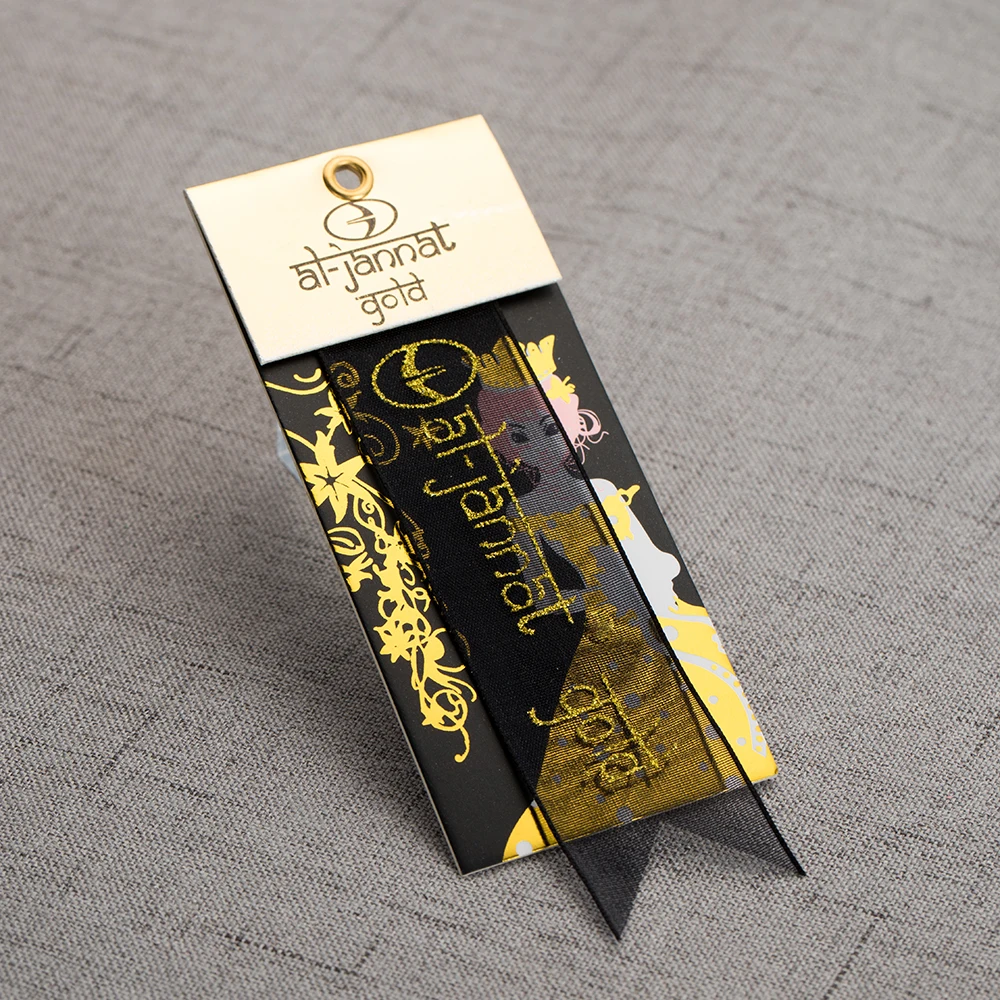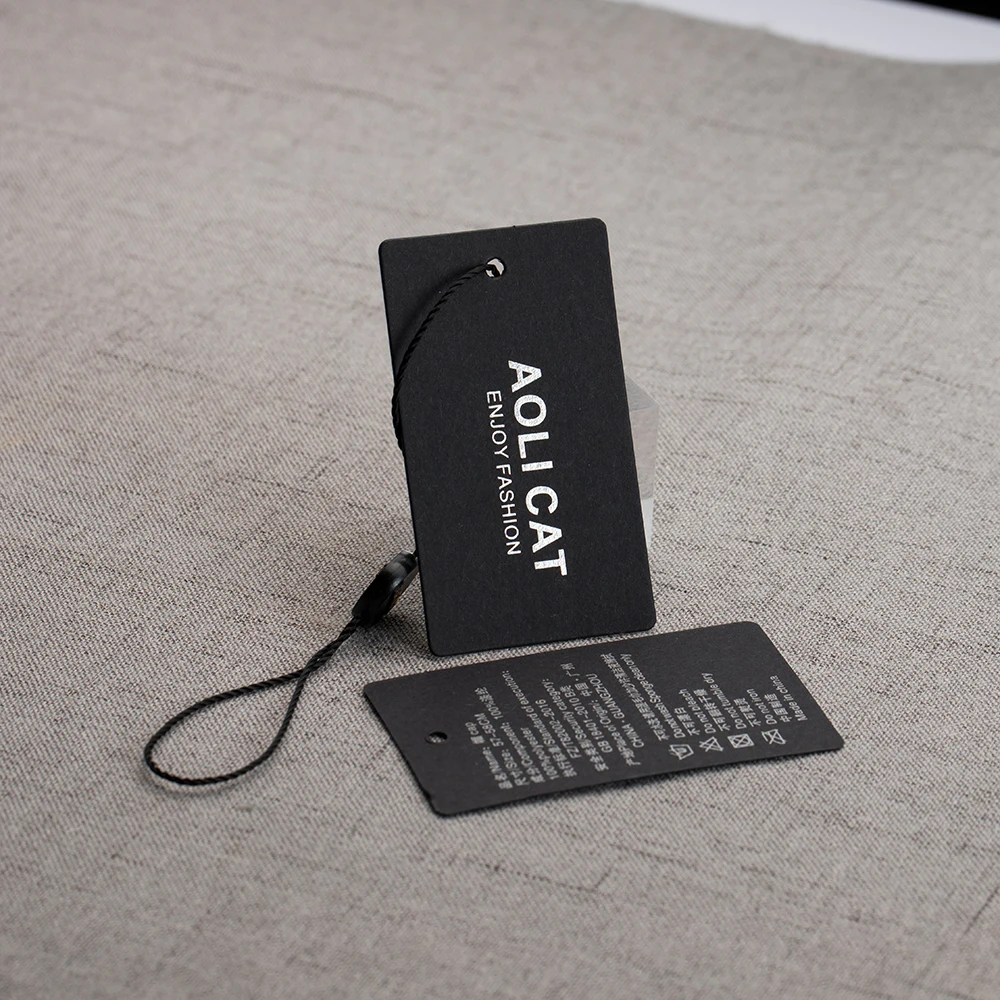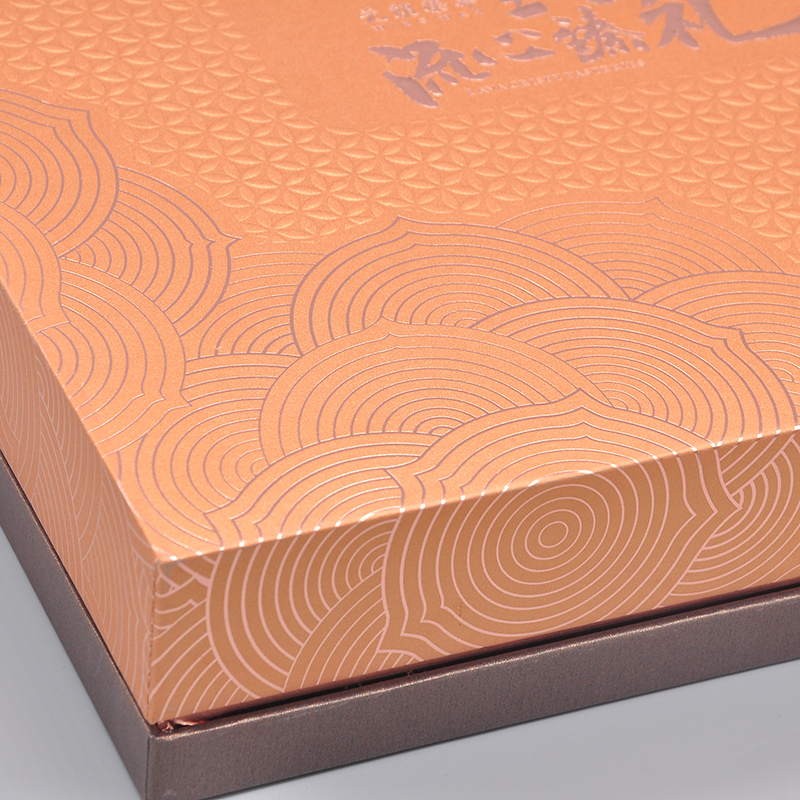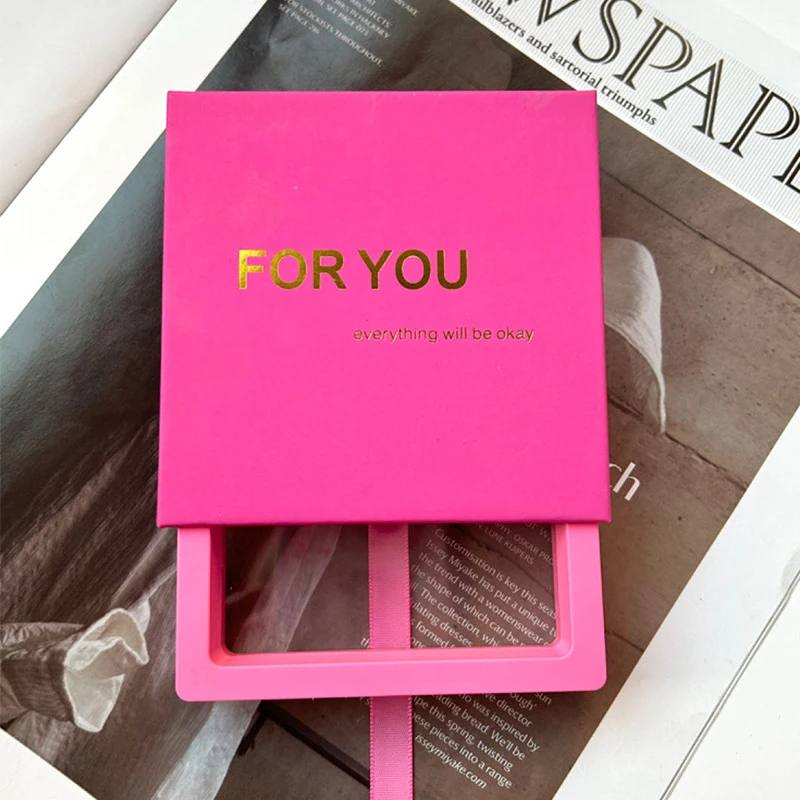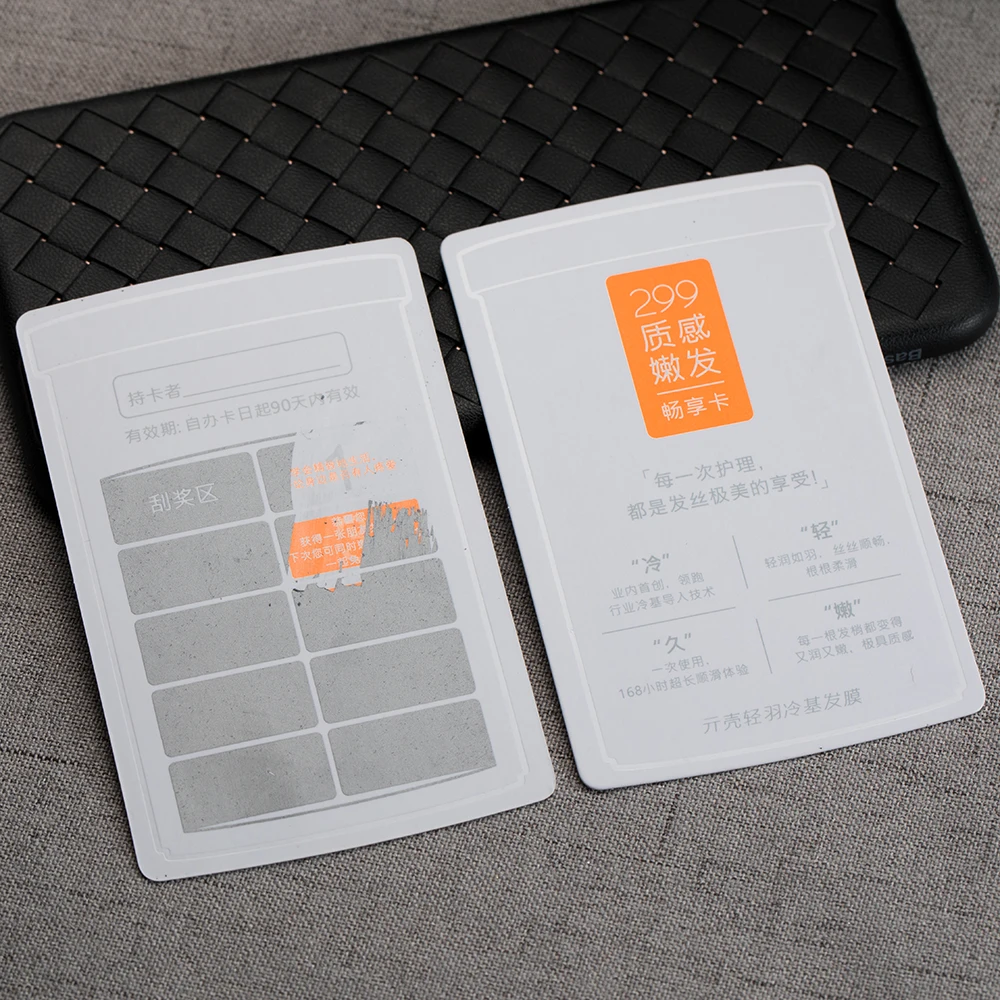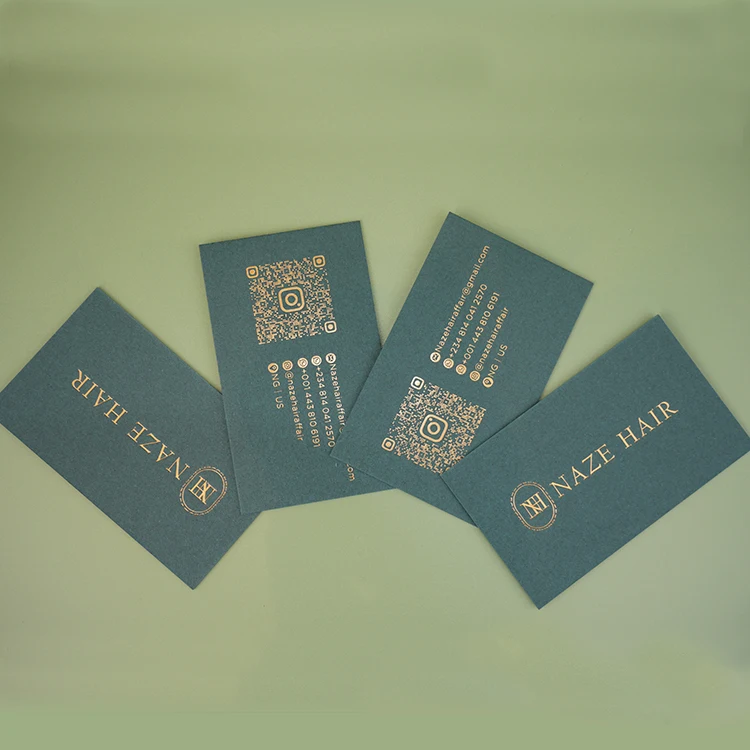
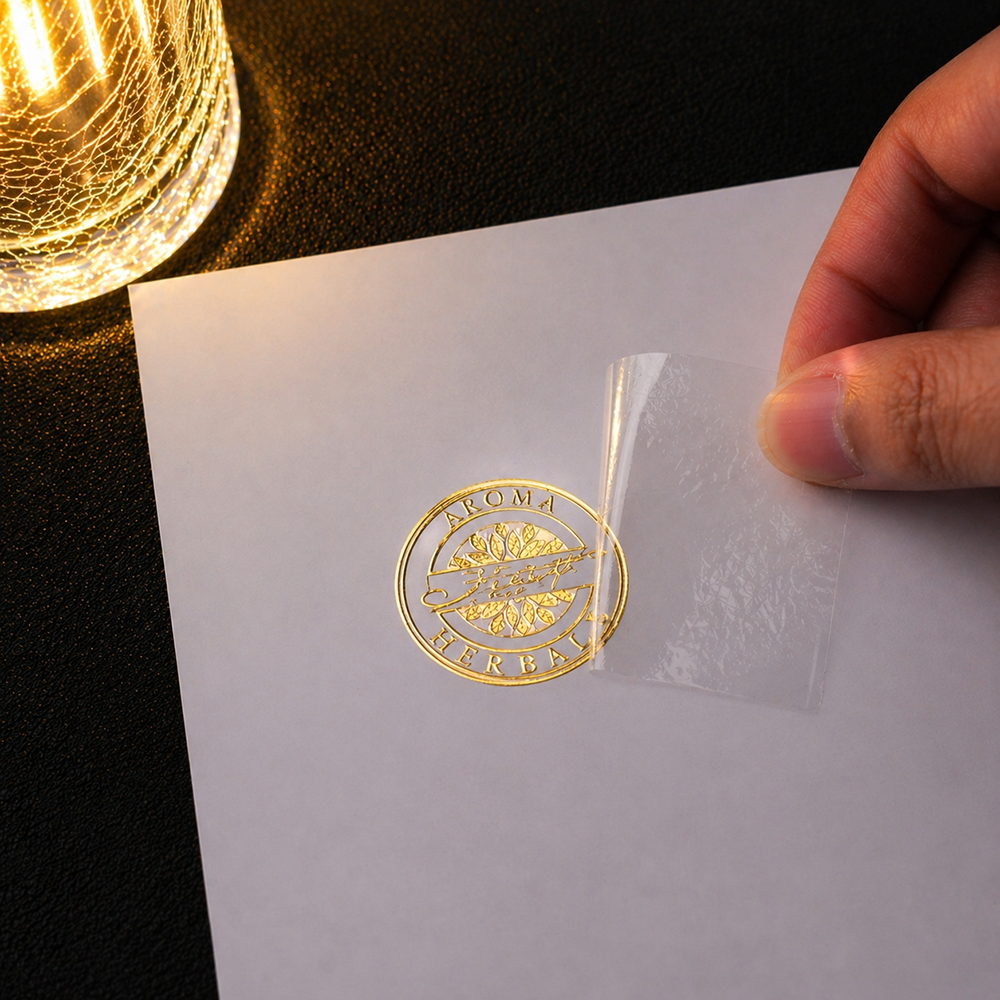

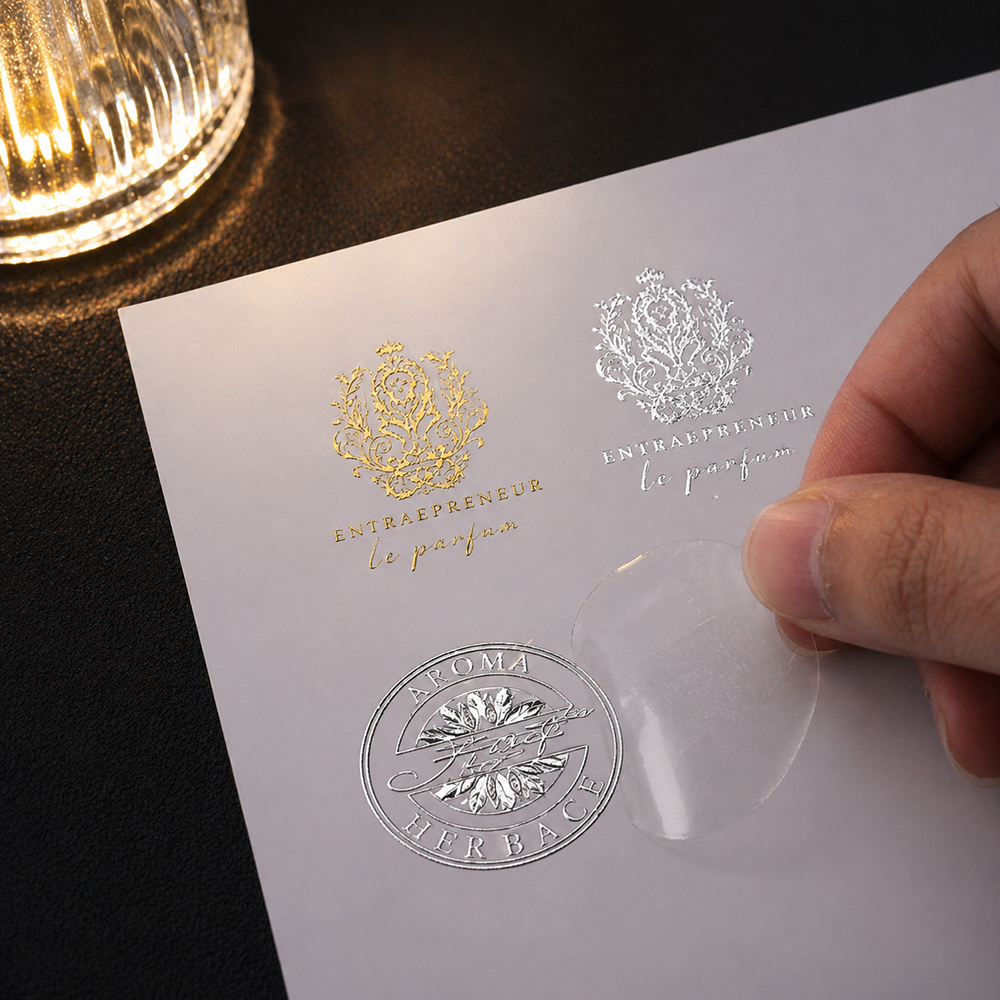
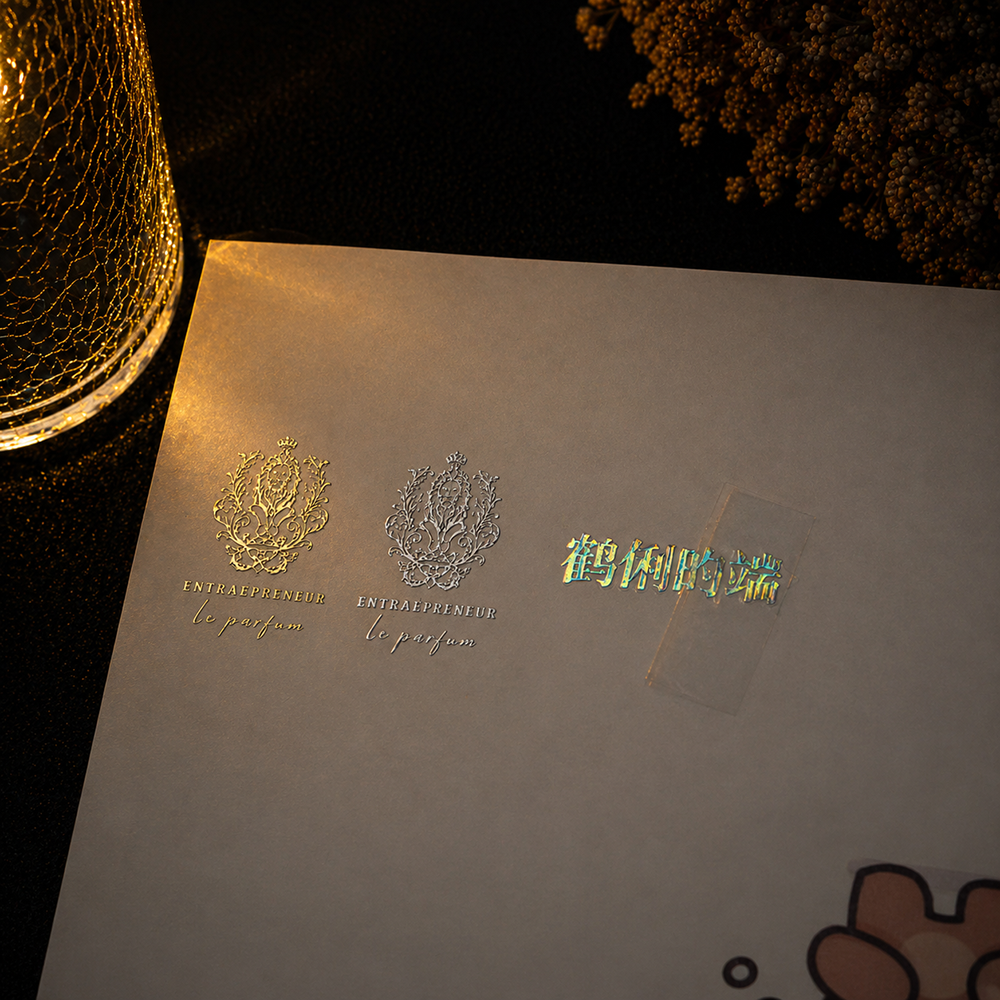

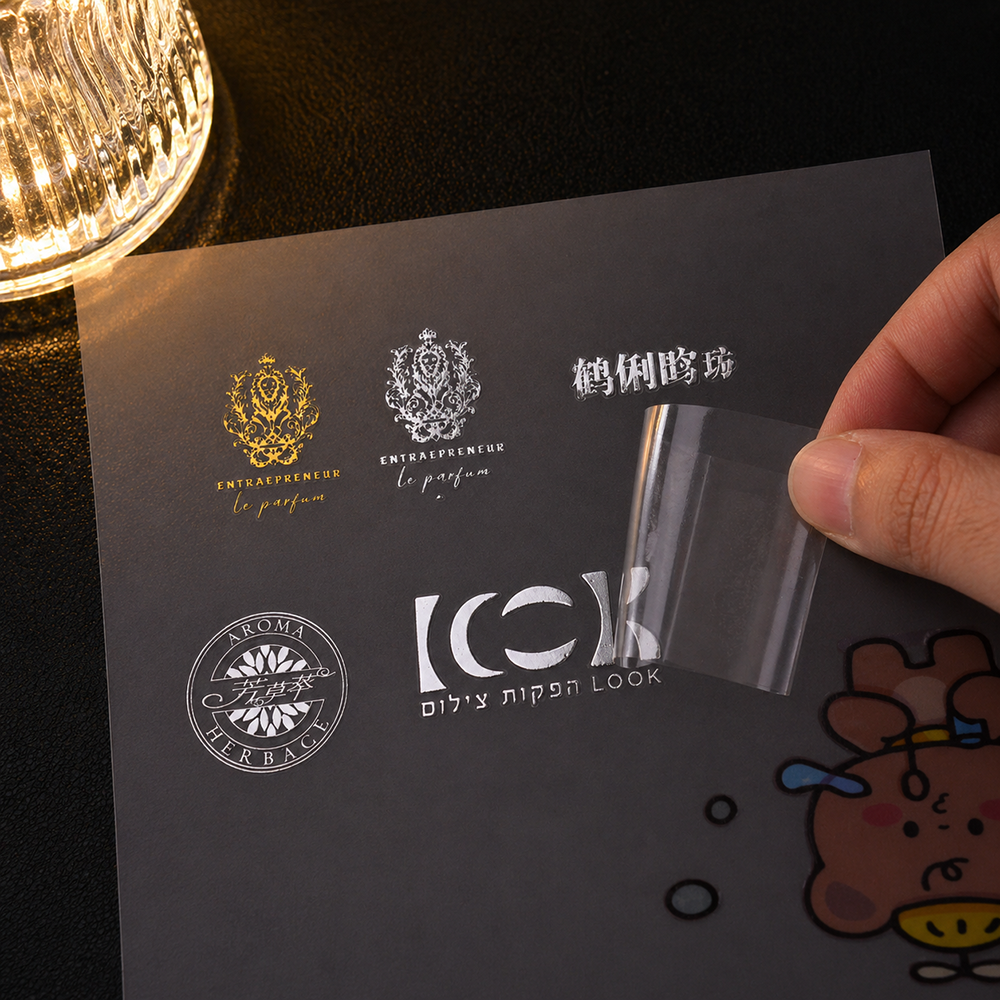



Gilding transfer stickers are an economical and efficient type of decorative sticker. They use thermal transfer technology to transfer gilding foil (in various colors such as gold, silver, red, blue, and green) onto the surface of the base material, presenting a shiny metallic texture effect. Compared with metal transfer stickers, it has a lower cost, a wider range of color options, and maintains an excellent visual impact at the same time. It is suitable for promotional packaging, label printing, electronic product decoration, gift packaging and other fields.
Custom gold foil transfer stickers for background-free logos, lettering, and decorative accents on packaging, stationery, and compatible smooth products. Silver finishes and custom sheet layouts are also available.
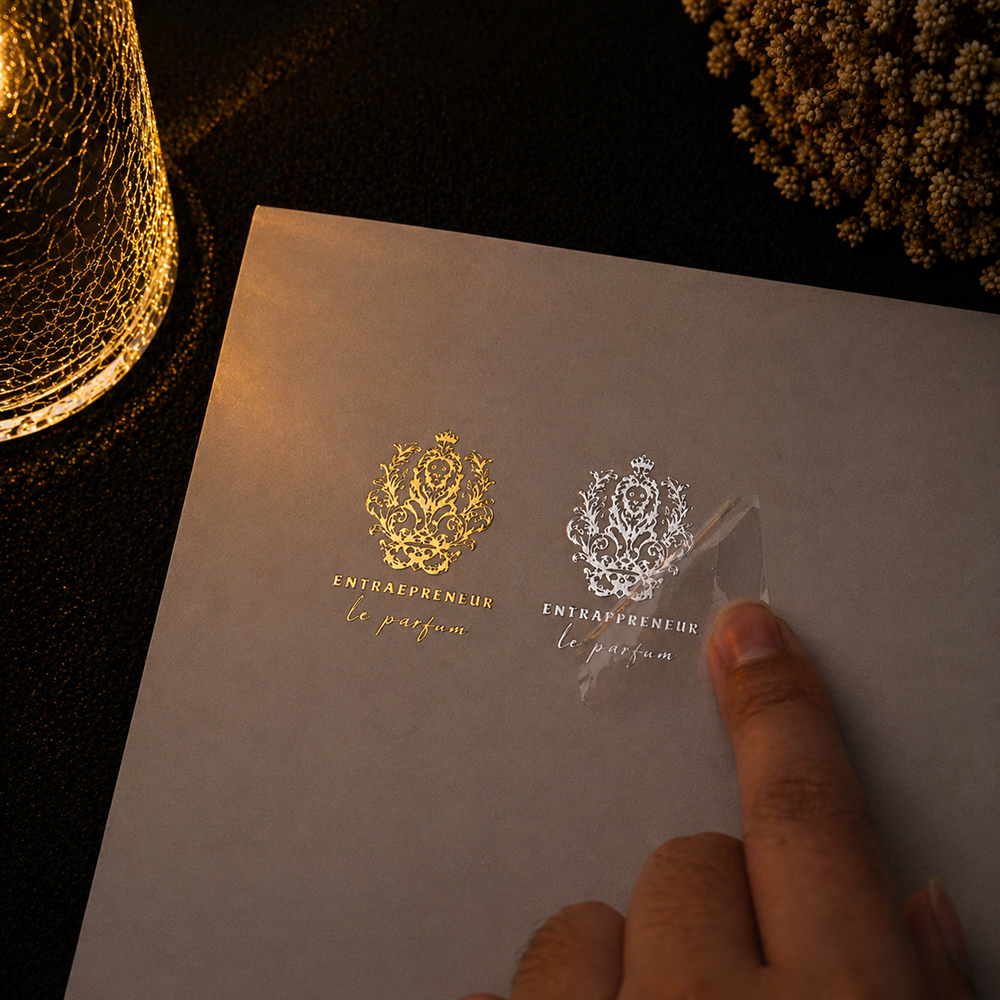
Gold foil transfer stickers add reflective lettering, logos, and decorative marks while allowing the original packaging or product surface to remain visible around each element. A clear carrier holds the design together during positioning. After transfer and carrier removal, the individual graphics remain on the compatible surface, creating a clean appearance without a surrounding label panel.
Qi Cai offers custom artwork, sizes, shapes, foil colors, and sheet arrangements for brand projects. From a small monogram on a gift box to a coordinated stationery collection, the design can be planned around the finished item and the way your team will apply it.
Use gold foil transfer stickers to highlight the part of your layout that deserves attention: a brand name, emblem, short message, or decorative border. Leaving open space around the metallic artwork lets the underlying color and texture contribute to the result. A simple mark can work well where a larger printed panel would interrupt the design.
Clear carrier film keeps separate letters and small graphic components in their intended arrangement during positioning. This is useful for logos with several disconnected elements. Review the complete design at its final size so that spacing, alignment, and legibility are assessed together.
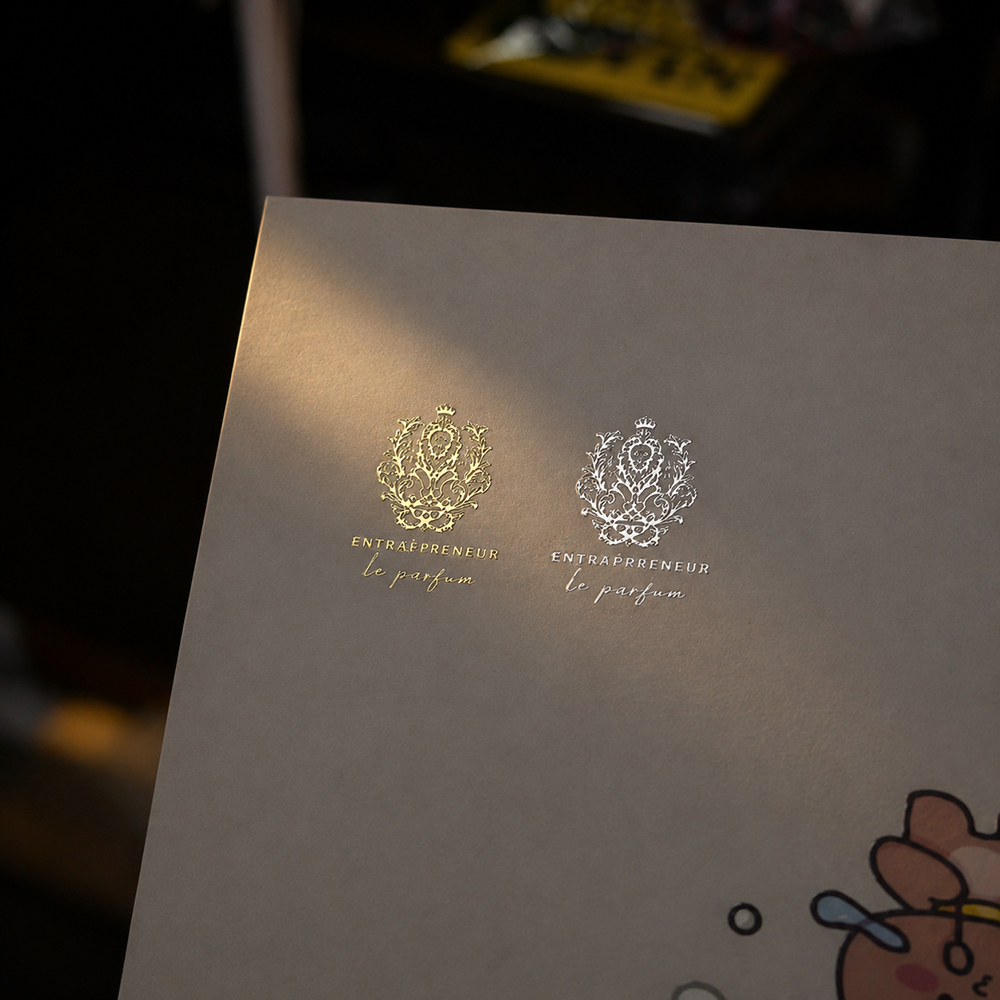
Gold logo transfers can coordinate with warm packaging palettes, gift collections, and decorative stationery. Silver transfer decals provide another metallic option for cooler colors and contemporary graphics. Select the finish against a sample of the actual background, because lighting and surrounding colors influence how a reflective surface appears.
Other metallic or holographic effects are subject to material availability. For projects with several versions, specify the artwork and quantity for each finish separately. Individual transfers and multi-design sheets can be arranged around packing and application needs; confirm the sheet size, spacing, and design orientation before approval.
Vector artwork is recommended for clearly defined outlines and lettering. Include the required dimensions, identify the areas that should appear metallic, and provide a reference showing placement on the item. Convert fonts to outlines where possible and clearly separate production artwork from positioning notes.
Very fine lines, small isolated details, and narrow spaces need review against the selected material and transfer method. Rather than assume one minimum size fits every design, request feedback on the smallest text and most delicate elements. A sample of the final artwork helps confirm that the intended visual effect is practical.
Gold foil transfer stickers should be evaluated on the exact surface used in production. Smooth, clean, dry, compatible coated or nonporous areas are the starting point for testing. Paper coatings, textured boards, curved containers, and different plastics can respond differently, even when the finished items look similar.
For metallic rub on decals, check both complete transfer and the appearance of the surrounding surface. Avoid placing graphics across seams, sharp edges, or areas that flex during normal handling unless the sample has been approved for that position. Confirm any cleaning, abrasion, moisture, or outdoor requirements with the actual application in mind.
When requesting gold foil transfer stickers, send your artwork, finished dimensions, foil preference, quantity, and a description or sample of the receiving surface. Tell us whether you need separate designs, mixed sheets, or a particular packing arrangement. These details help define a quotation and a useful sampling plan.
Approve the finish, layout, application result, and handling requirements before production. Lead time, order quantity, and packing details should be confirmed for the specific project. Keep an approved sample as a reference for later orders or additional items in the same collection.
Specify gold foil transfer stickers by the finished graphic size and the intended receiving surface. Use the following checklist when preparing an inquiry.
| Product type | Custom metallic foil transfer sticker / rub-on decal |
|---|---|
| Finish options | Gold and silver; additional effects subject to availability |
| Construction | Metallic graphic with release liner and clear carrier film |
| Finished appearance | Individual logo or lettering elements without a surrounding label background |
| Customization | Artwork, dimensions, shape, foil color, sheet arrangement, and packing |
| Artwork preparation | Vector files recommended; fine details reviewed at final size |
| Application area | Smooth, clean, dry, compatible surfaces; approve a sample on the actual item |
| Order confirmation | Quantity, material selection, packing, and schedule confirmed for each project |
The clear carrier is used for positioning and is removed after transfer. The intended result is individual metallic graphic elements on the surface. Check a sample for the edge appearance and complete transfer on your chosen item.
The product described here is supplied as a transfer with a release liner and carrier for pressure application. Machine hot foil stamping directly onto packaging is a different production process. Confirm the supplied format when ordering.
Yes. Gold logo transfers and silver versions can be discussed for the same artwork. Specify each finish, quantity, and layout so the quotation and approval sample clearly identify the required versions.
Compatibility depends on the actual substrate, coating, texture, curvature, and use conditions. Test the complete design on the intended item. Share any special handling or exposure requirements before choosing the construction.
These properties are application dependent and should be confirmed through the agreed material selection and testing. Do not assume a decorative transfer has a particular service life or cleaning resistance without project-specific approval.
Provide artwork, dimensions, finish, quantity, receiving material, and preferred sheet or packing format. For metallic rub on decals with very small lettering, include a final-size reference and identify the details that must remain legible.

 EN