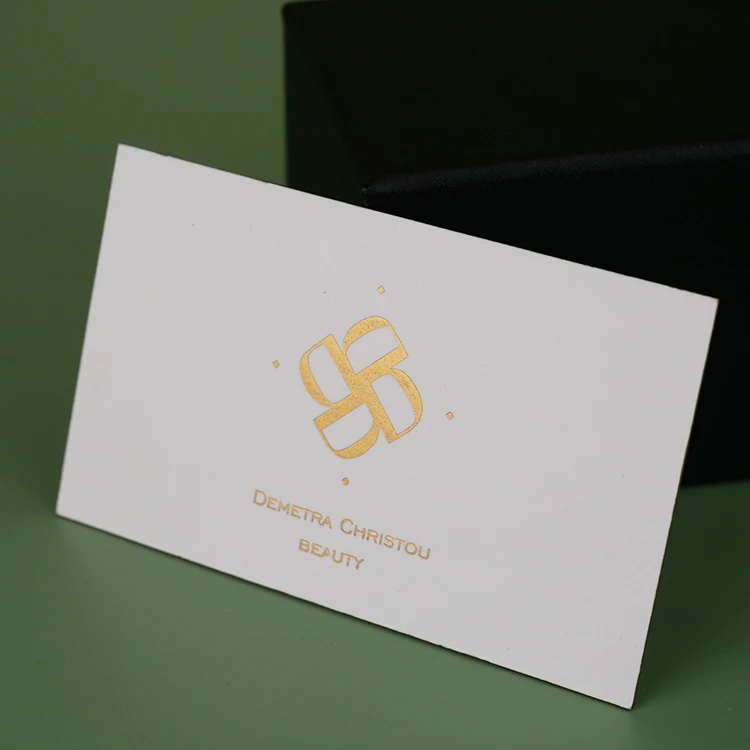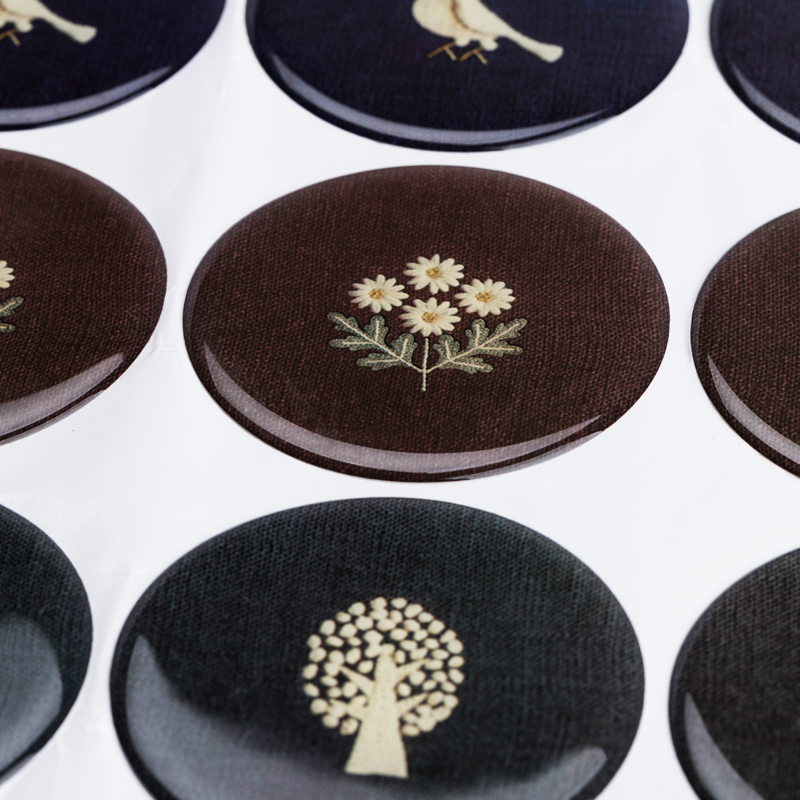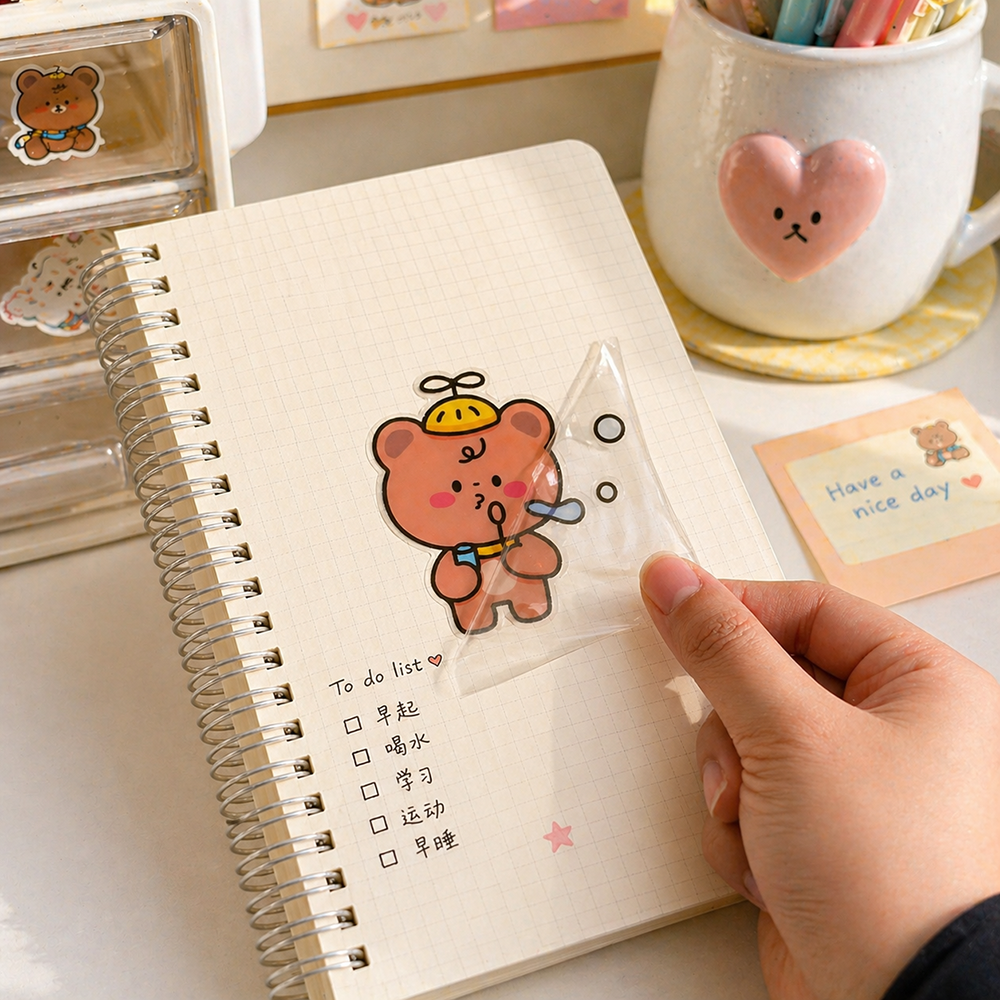
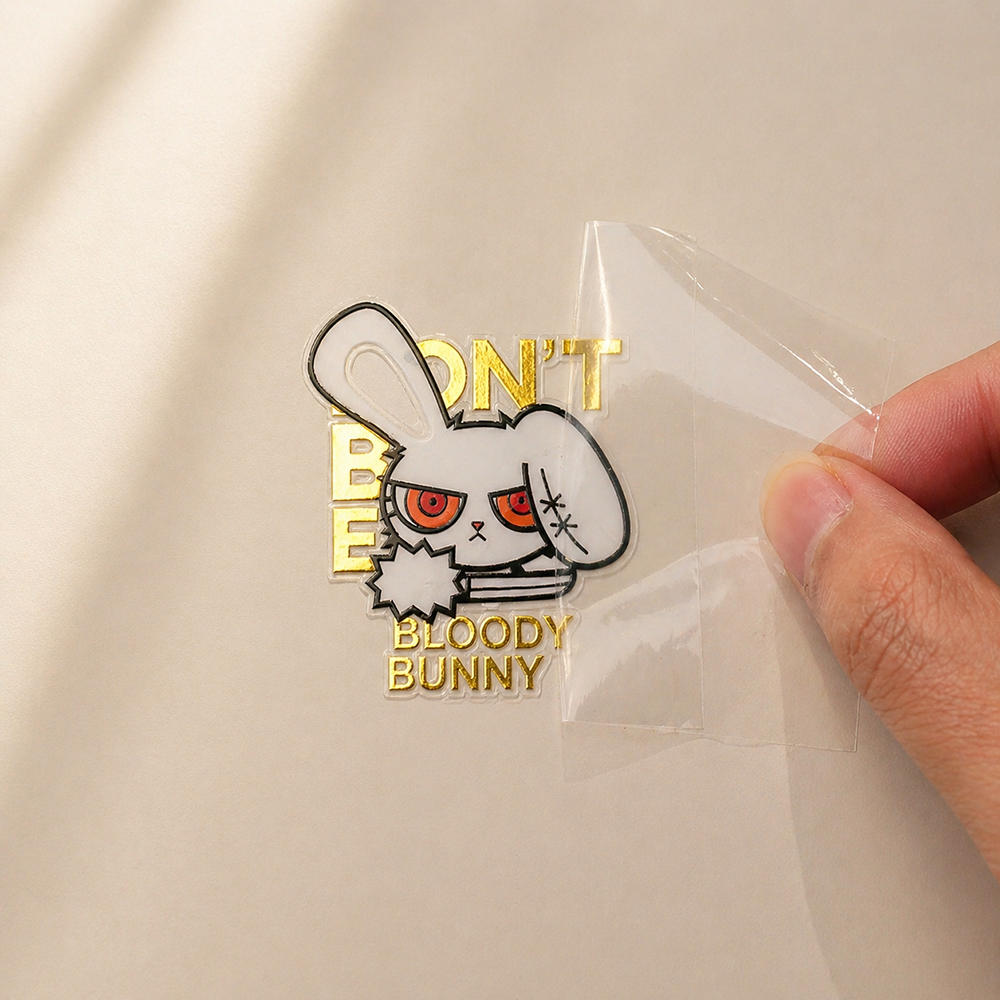
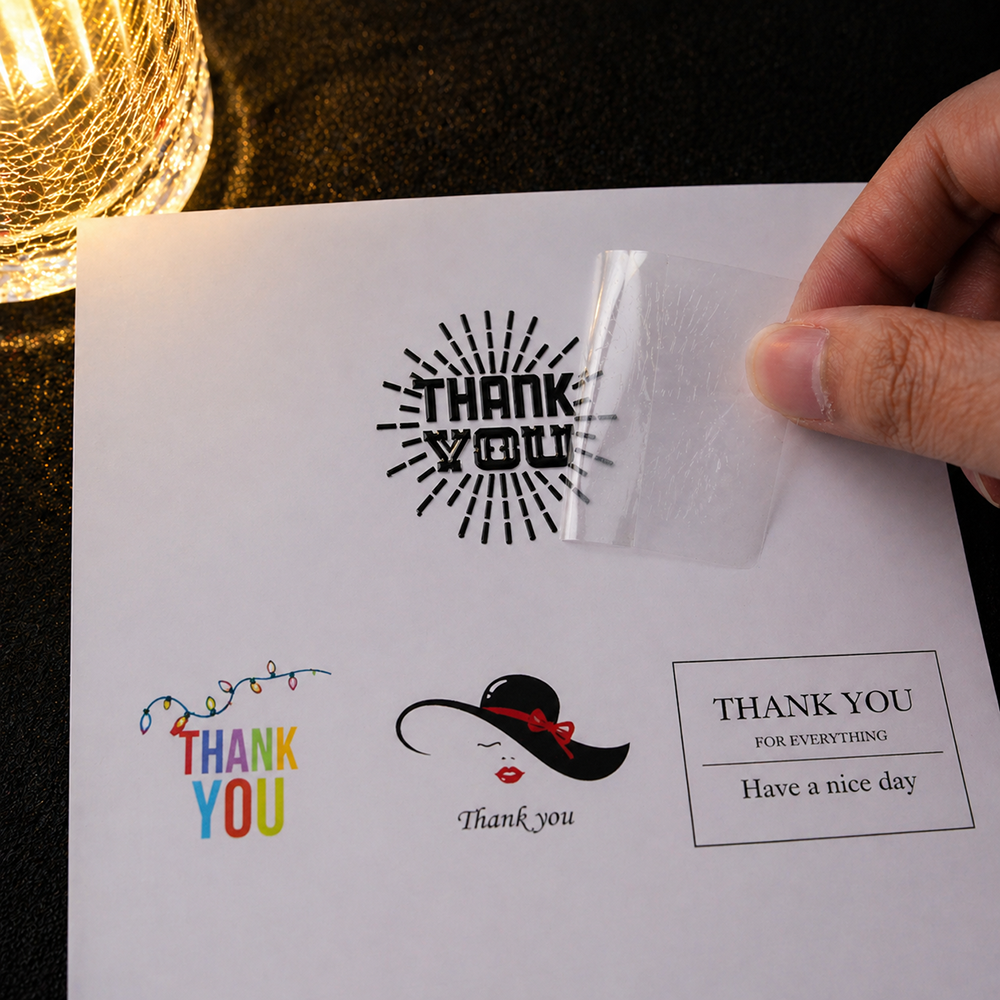
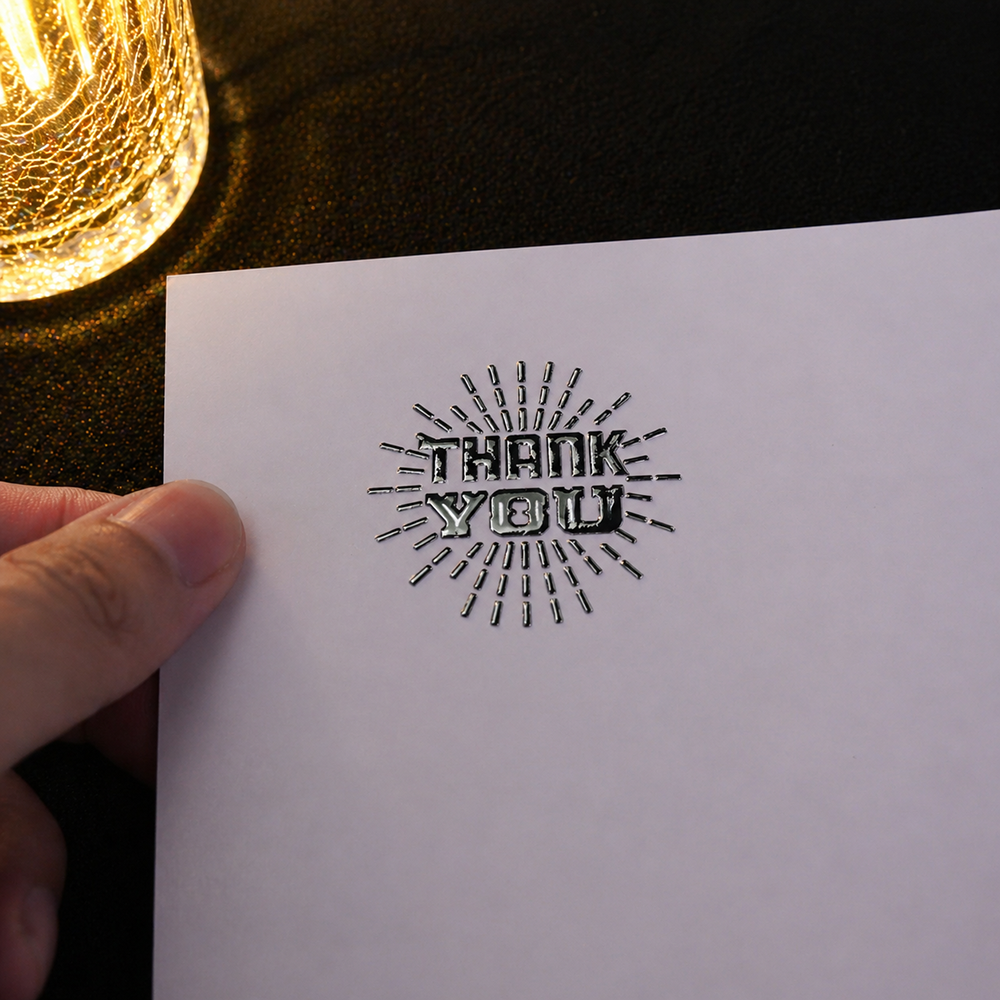
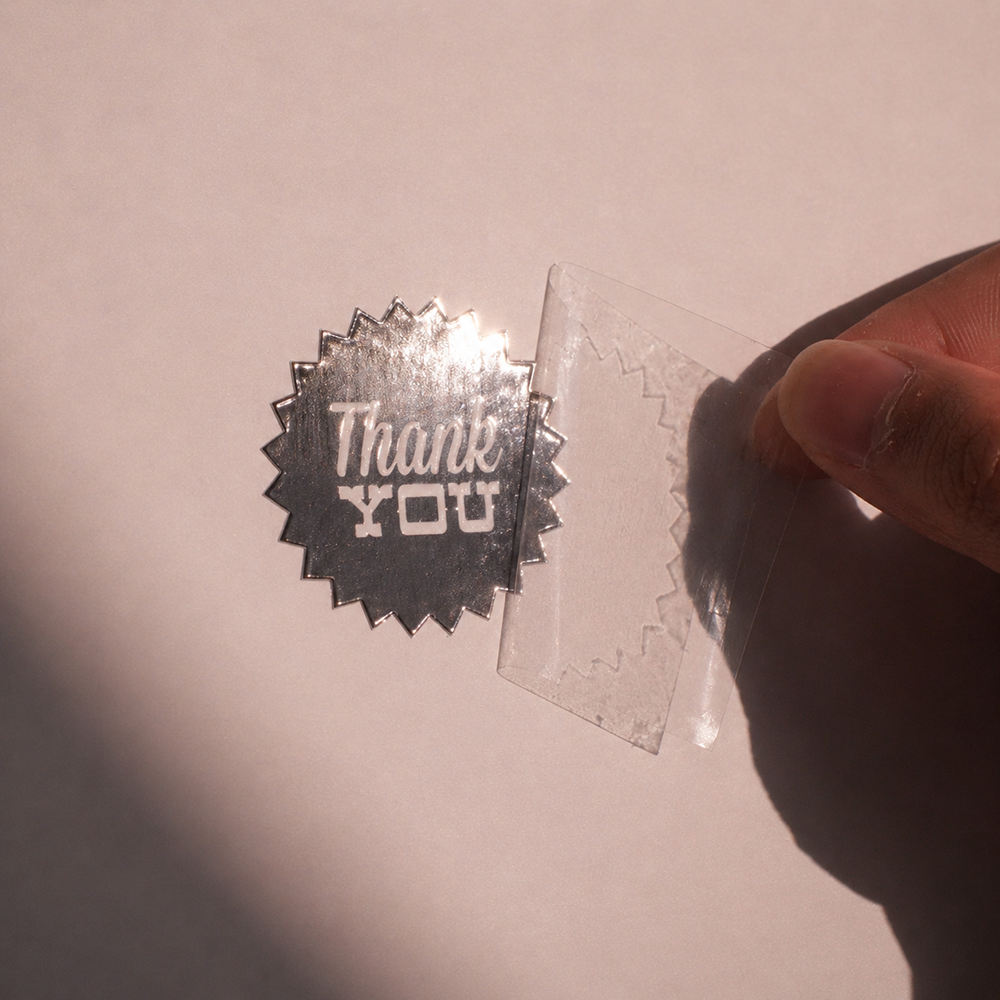
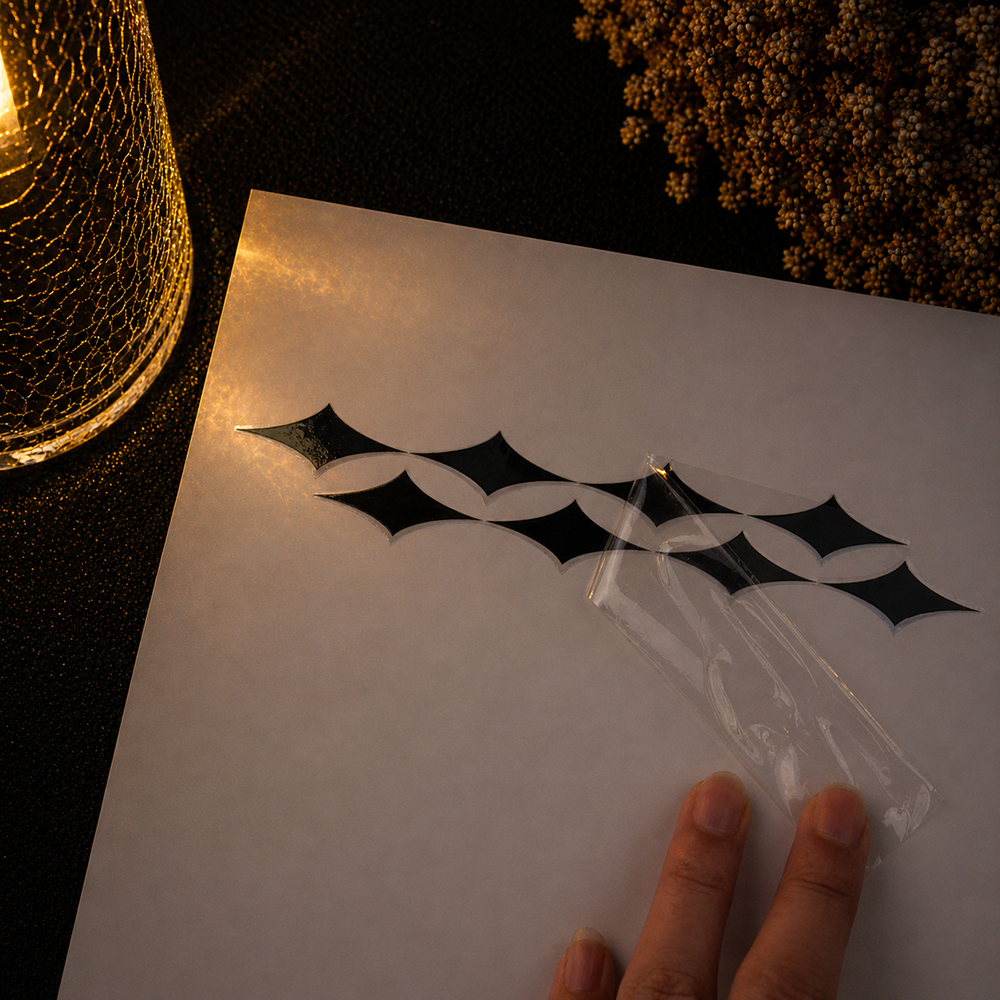

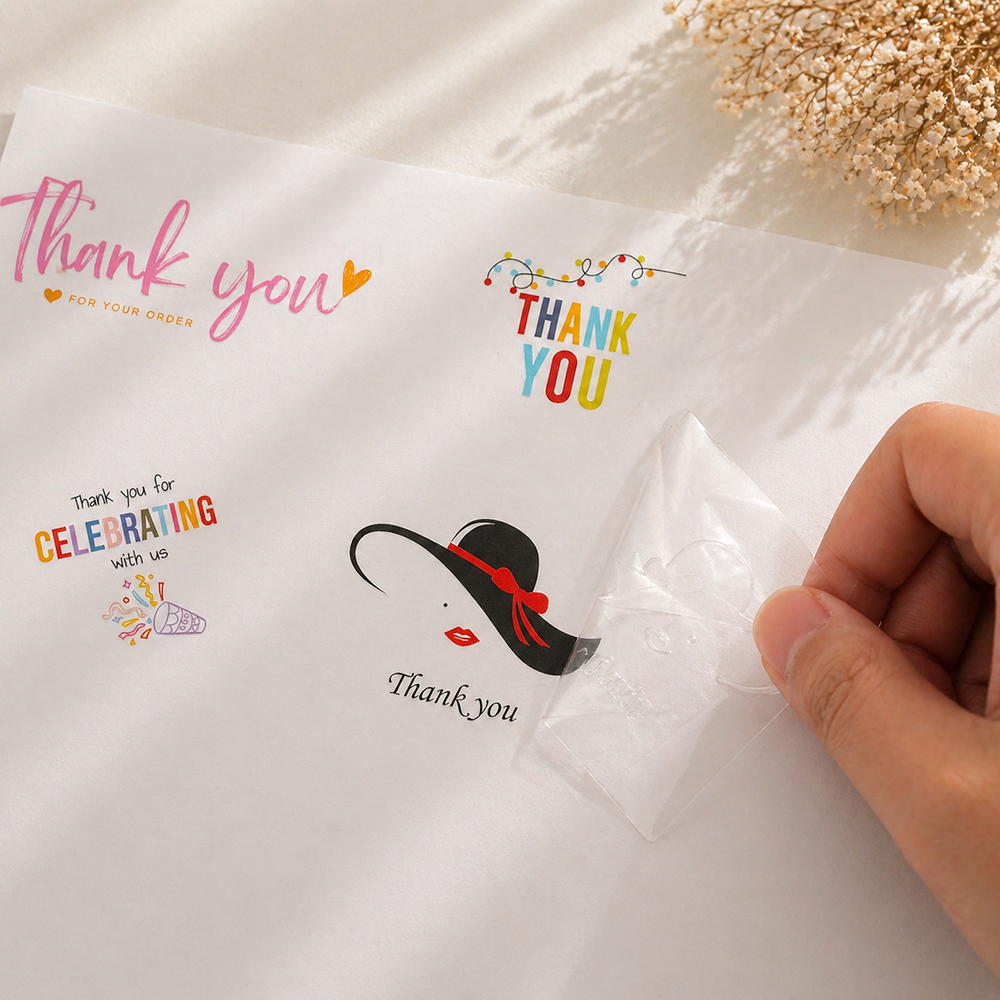
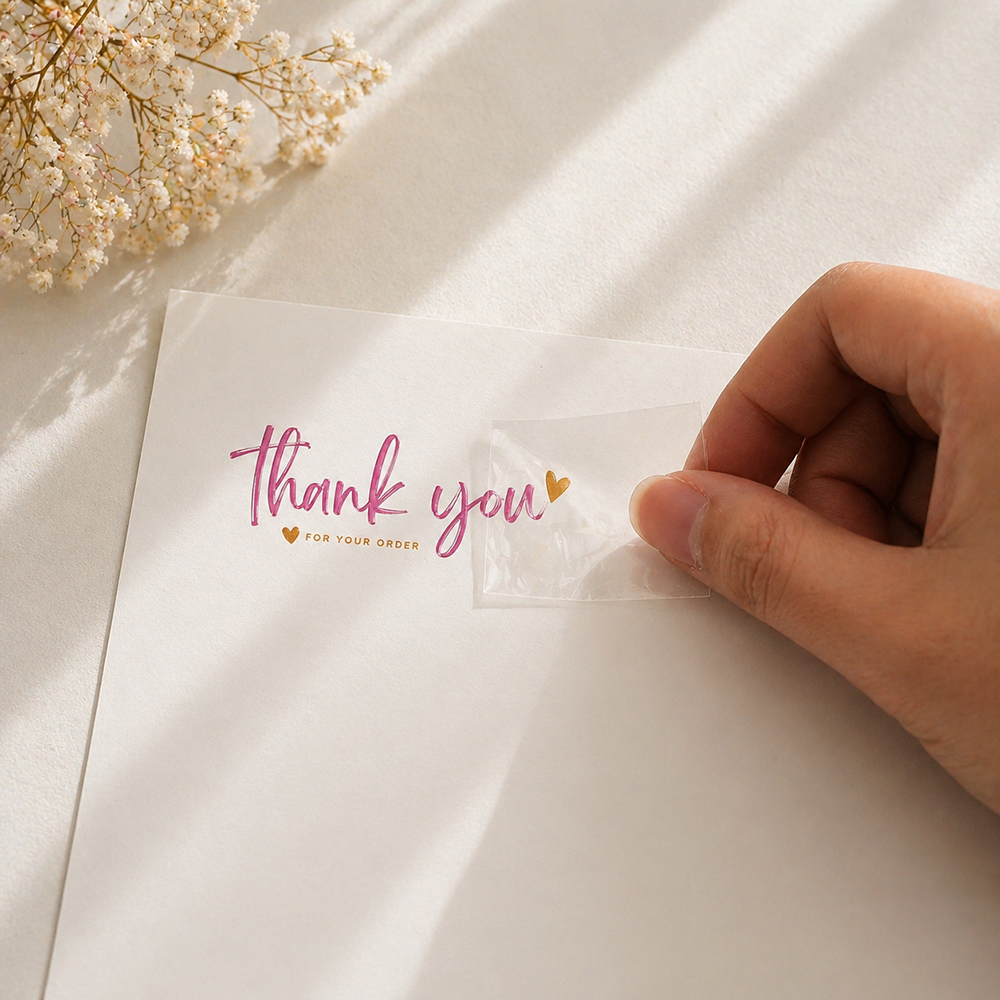

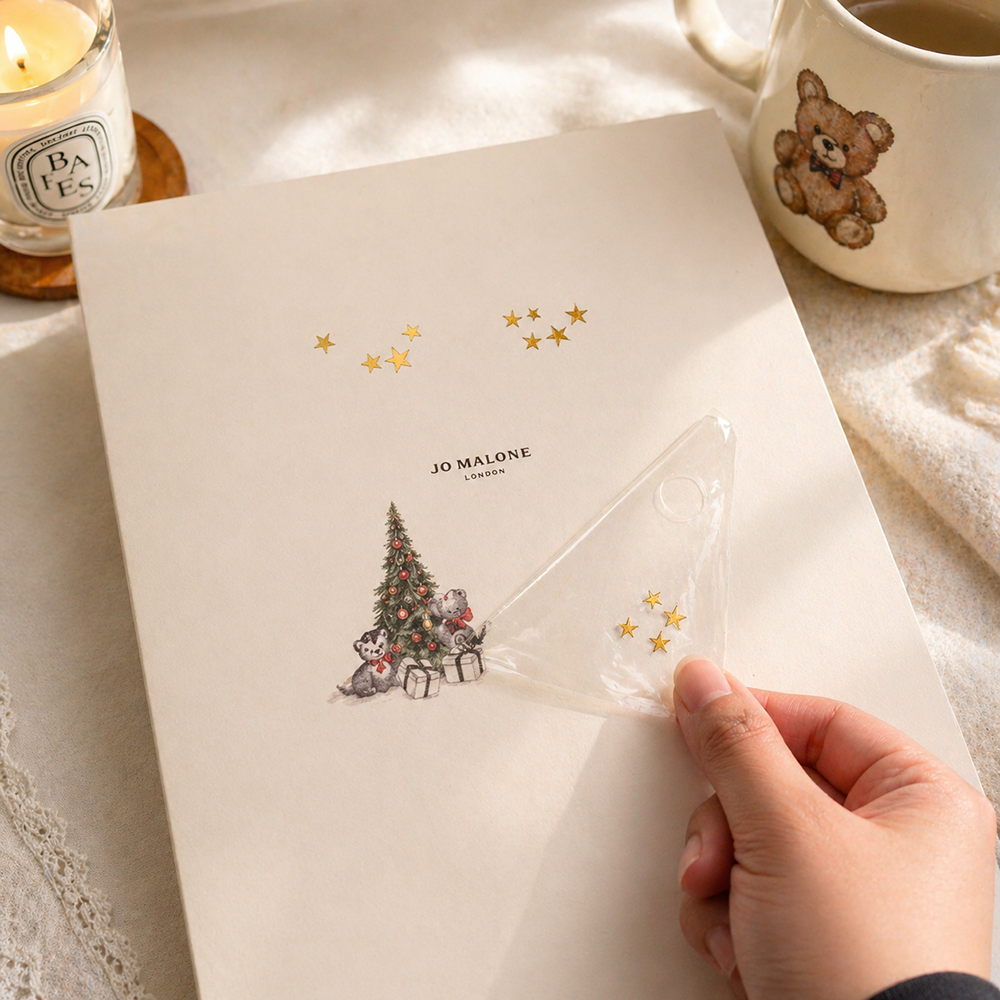
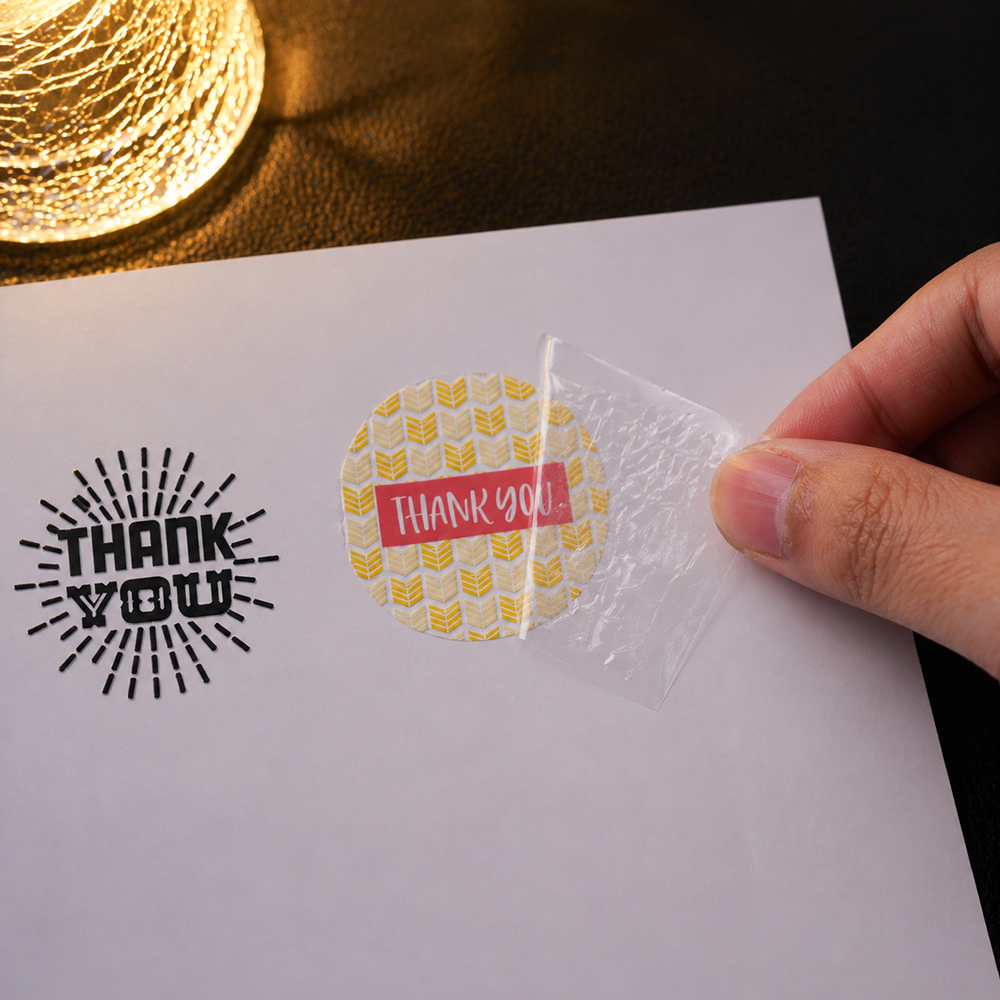
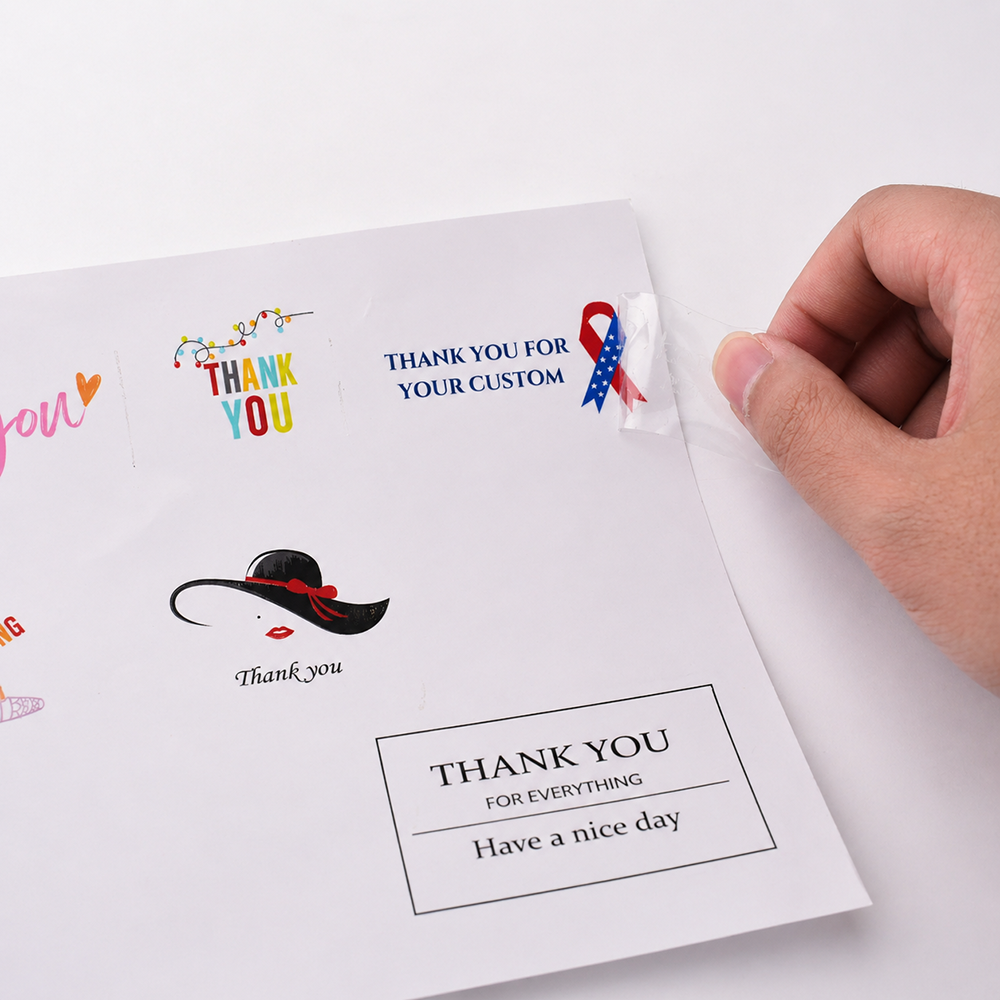
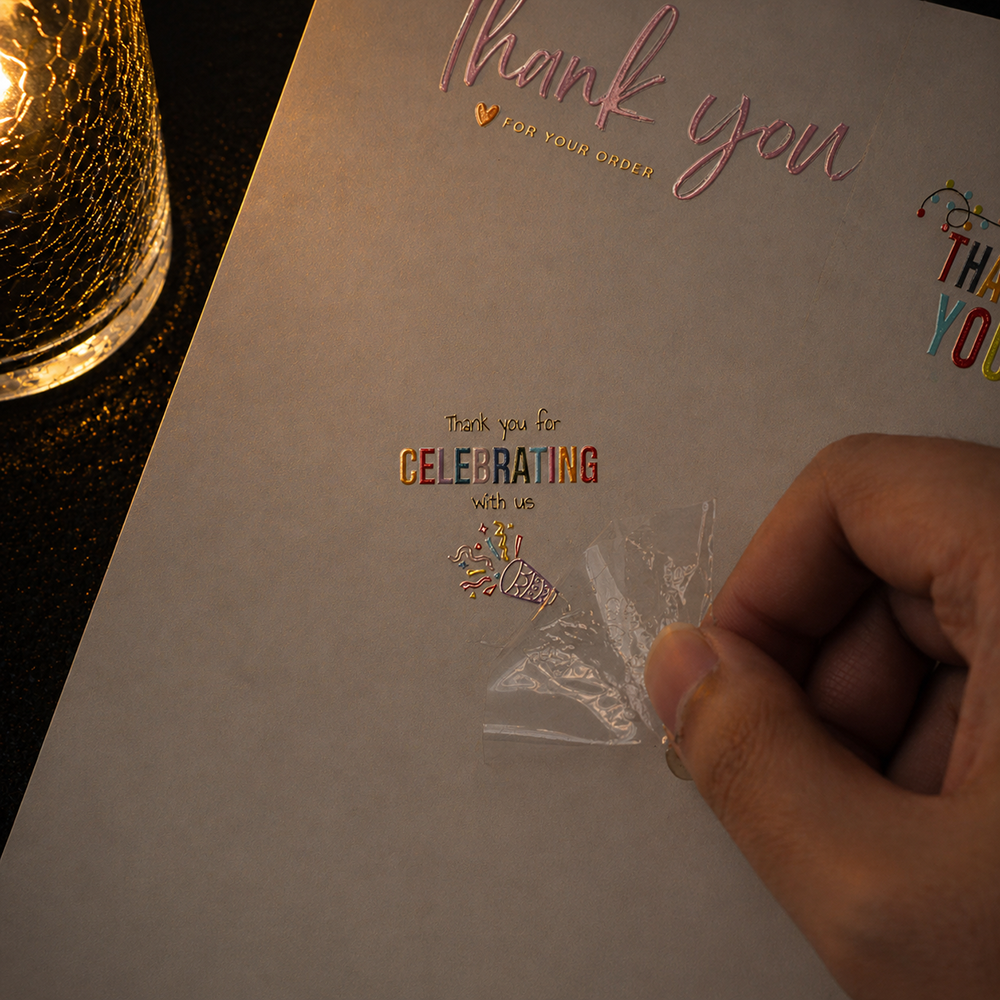
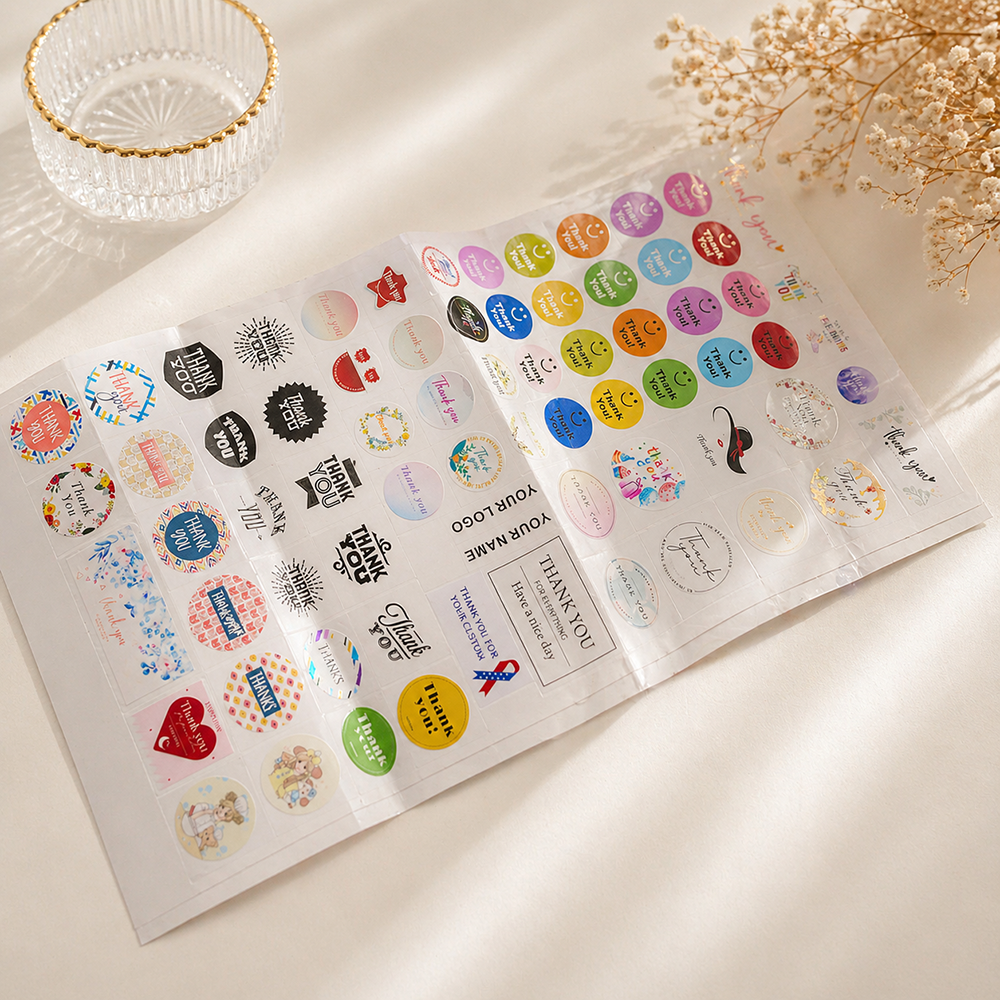
UV transfer stickers are high-precision and highly durable decorative stickers, made by UV printing technology and transfer processes. They feature clear patterns, bright colors, and possess properties such as scratch resistance, water resistance, and anti-fading. It is widely applied in fields such as electronic products, home appliances, automotive interiors, cosmetic packaging, and brand identification.
Custom UV DTF stickers combine full-color artwork, white ink, and optional clear varnish for background-free branding on compatible hard surfaces. Choose individual designs or mixed sheets for your project.
UV DTF stickers bring full-color logos, lettering, and illustrations to compatible hard products through a film transfer process. The artwork is printed on a release-film system and supplied with clear application film. After the graphic is positioned, pressed, and released from its carrier, the design remains on the item without a surrounding label background.
Qi Cai offers custom dimensions, artwork, white-ink layers, varnish areas, sheet arrangements, and packing formats. This makes the product useful for coordinating a brand across promotional items, packaging components, and personalized accessories. Plan the transfer around the actual item so that the artwork, placement, and application method work together.
UV DTF decals can combine multicolor graphics with a white underbase to help maintain opacity on dark or transparent items. Clearly identify which parts of the design should appear opaque and which spaces should remain open. This is especially useful for lettering and logos where the product color forms part of the overall design.
Clear varnish can add gloss and selected tactile details according to the approved artwork. Review a physical sample when the amount of shine or raised effect matters to your project. Screen previews help confirm layout, while a sample on the receiving surface helps you judge appearance under normal lighting.
UV DTF gang sheets combine several graphics or sizes in an agreed sheet arrangement. They can help organize a collection containing brand logos, product variants, or personalized names. Specify the finished dimensions and required quantity of every design, including repeated copies, before approving the complete layout.
Leave practical space between graphics so your team can separate and handle them. Keep positioning notes outside the production artwork and make the orientation clear. For custom cup transfers, provide the available decoration width and height together with a photo or sample of the cup; similar-looking containers can have different tapers and usable areas.
Supply vector artwork or a high-resolution file at the intended print size. Outline fonts where possible and keep the background transparent when it is not part of the design. Provide a separate reference showing the desired placement, rather than adding a printed positioning box around the logo.
Small text, fine lines, isolated dots, and closely spaced details should be reviewed at final size. If a QR code or other functional graphic is included, check the transferred sample on the actual item under realistic viewing conditions. Agree any necessary adjustments before the final sheet is produced.
UV DTF stickers should be evaluated on the precise material, coating, and shape used in production. Suitable applications can include glass, acrylic, selected plastics, ceramic, coated metal, sealed wood, and compatible packaging surfaces. A smooth, clean, dry area is the starting point for consistent transfer.
Texture, surface treatments, tight curvature, and frequent flexing can affect results. For UV DTF decals on products that will be washed or handled regularly, describe the expected use before selecting the construction. Confirm resistance to cleaning agents, abrasion, moisture, or outdoor exposure through the agreed sample and testing process.
UV DTF stickers normally require no heat press or manual weeding. Follow the handling instructions supplied for your order and approve the application method on a sample first. This helps establish a repeatable process for the selected item.
When ordering UV DTF stickers, send the artwork, dimensions, design quantities, receiving material, and preferred packing format. Include any white-ink or varnish requirements and tell us whether you need separate transfers or UV DTF gang sheets. Confirm the quotation, sample, layout, and production schedule for the specific project.
Use this specification checklist to define UV DTF stickers for your project. Final details are confirmed against the artwork and receiving material.
| Product type | Custom UV direct-to-film transfer for compatible hard surfaces |
|---|---|
| Print options | Full color, white ink, and optional clear varnish based on artwork |
| Supplied construction | Printed graphic with release layer and clear application film |
| Finished appearance | Background-free logo, lettering, illustration, or decorative graphic |
| Artwork | Vector or high-resolution files; fine elements reviewed at final size |
| Layout | Individual designs or UV DTF gang sheets with agreed spacing |
| Customization | Dimensions, shape, artwork, white layer, varnish areas, quantity, and packing |
| Approval items | Receiving surface, appearance, transfer method, and intended handling conditions |
UV DTF means ultraviolet direct-to-film. The graphic is produced on a film system and then transferred to a compatible product. UV DTF stickers are supplied as finished transfers for application to the agreed receiving surface.
This product is intended for compatible hard surfaces. Textile DTF transfers use a different process. Share the receiving material and its flexibility so the correct decoration method can be discussed for your project.
Performance depends on the ink and film system, substrate, application, and exposure conditions. Confirm your washing method or outdoor requirements before ordering and evaluate an applied sample. A general decorative transfer should not be assumed to meet a particular service-life requirement.
Yes. Mixed artwork can be arranged on a sheet. List the size, quantity, and orientation of every graphic and approve the spacing before production. This is useful for product ranges with several variations or personalized designs.
Surface contamination, unsuitable coatings, difficult curvature, very fine artwork, and inconsistent application can all contribute. Pause the batch, inspect a sample, and confirm the receiving surface and handling method before continuing.
Send the artwork, finished dimensions, quantities by design, receiving material, and packing preference. Include a photo or sample when the surface is unusual and identify any white-ink, varnish, washing, or handling requirements.
 EN